
Synthetic Respondents Are Not Individual Minds
- March 4, 2026
- Posted by: Josh Speyer
- Category: Competitive research
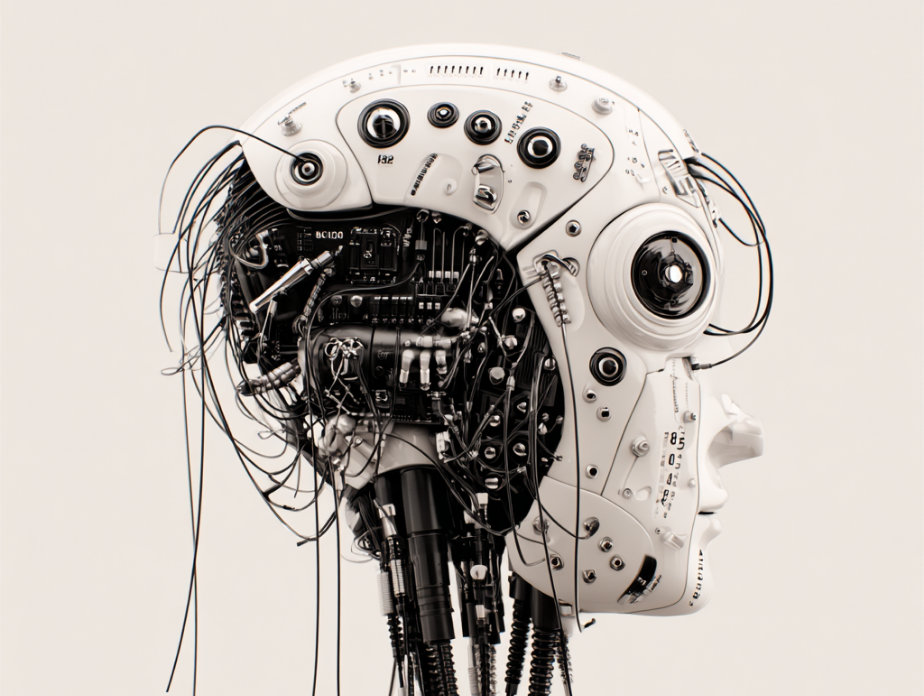
You’re Getting an Algorithmic Composite, Not a Simulated Human
One of the biggest misconceptions about AI respondent panels is that they somehow represent individual consumers. They don’t. When you use a synthetic panel, you’re not tapping into the opinions, behaviors, or decisions of real people — you’re asking a single algorithm to pretend it is many people at once.
Think of it like this: imagine Robin Williams was your synthetic panel.
Williams was famous for inhabiting dozens of wildly different characters — from lovable teachers to cross-dressing comedians, from manic genies to psychologically disturbed villains. He would study movies, books, and scripts to capture the voice, mannerisms, and attitudes of the people he portrayed. Then he would perform them for audiences.
The key insight? No matter how convincing his performance, you were never hearing 500 separate people. You were hearing one actor interpreting multiple characters. You weren’t getting the lived experiences, opinions, or true behaviors of the people he portrayed — only his interpretation of them.
No offense to Robin Williams, but just because he could convincingly play a radio host, a serial killer, or a cross-dresser doesn’t mean you would trust him to give authentic insights into what those people actually think.
The AI Parallel
Synthetic respondent panels work the same way. An AI model “watches” the digital world — public data, private datasets, or a combination — and uses that information to generate responses. But like our actor, it is only one mind interpreting many perspectives.
When you ask a synthetic panel to represent your customers, you’re asking a single model to mimic hundreds or thousands of unique human voices. You’re not getting a diverse panel. You’re getting a composite: an algorithmic interpretation of patterns it has seen, blended together.
This creates three fundamental problems:
- No True Behaviors or Opinions: The model does not experience or decide like a human. It generates text based on learned patterns. Its responses reflect statistical correlations, not genuine choices or preferences.
- No Diversity of Perspective: Every output is filtered through the same model. Differences in culture, background, or personal experience are approximated, not lived. It’s still one “actor” performing multiple roles.
- False Confidence: Because the AI can produce coherent, realistic-sounding answers, it gives the illusion of insight. Decision-makers may believe they are seeing the voice of the market, when in reality they are seeing the voice of the model.
Why This Matters for Researchers
The danger of relying on synthetic panels is clear: decisions made from these outputs are based on simulated interpretations, not reality. If your goal is to understand your core demographic, identify trends, or predict behavior, a single AI’s interpretation cannot replace a properly sampled, human-validated panel.
Like Robin Williams in 500 roles, an AI can appear to be many people. But unlike a human study, it doesn’t carry the credibility, diversity, or lived experience of actual respondents. You’re not learning from your audience — you’re learning from a sophisticated mimic.
The takeaway is simple: synthetic respondents are not individuals. They are models masquerading as a panel. Treat them accordingly.